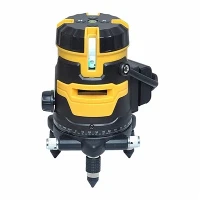

When it comes to using a Laser Level 3D, safety should always be your top priority. As a supplier of high - quality Laser Level 3D products, I understand the importance of ensuring that users are well - informed about safety precautions. In this blog, I'll share some essential safety measures to take when using a Laser Level 3D.
1. Understand the Laser Classification
Before using a Laser Level 3D, it's crucial to understand the laser classification. Laser levels are classified based on their power and potential hazards. Most Laser Level 3D devices fall into Class 2 or Class 3R lasers. Class 2 lasers are relatively low - power and are generally safe if you avoid direct, intentional staring into the beam. Class 3R lasers have a slightly higher power, and while they are still considered relatively safe under normal use, extra caution is required.
Reading the product manual is essential as it will clearly state the laser classification of your device. This knowledge will help you understand the potential risks associated with the laser beam and take appropriate safety measures.
2. Wear Appropriate Eye Protection
One of the most critical safety precautions when using a Laser Level 3D is wearing proper eye protection. Laser beams can cause damage to your eyes, especially if they are directly or indirectly reflected into your eyes. Safety goggles designed for the specific wavelength of the laser used in your Laser Level 3D are a must - have.
These goggles are engineered to block or reduce the intensity of the laser light, protecting your eyes from potential harm. Make sure to choose goggles that are rated for the laser class of your device. For example, if your Laser Level 3D uses a red laser, you need goggles that are effective at blocking red light.
3. Set Up in a Safe Environment
The environment in which you set up your Laser Level 3D is also important. Avoid using the device in areas with high traffic, such as busy construction sites where people may accidentally walk through the laser beam. Ensure that the surface on which you place the laser level is stable and level. An unstable surface can cause the laser level to tip over, which may not only damage the device but also pose a safety risk.
If you are using the Laser Level 3D outdoors, be aware of the weather conditions. Strong winds can affect the stability of the device, and rain or snow can damage the electronics. In such cases, it's advisable to use a protective cover for the laser level.
4. Avoid Reflective Surfaces
Reflective surfaces can cause the laser beam to bounce in unexpected directions, increasing the risk of the beam entering your eyes or the eyes of others. When setting up your Laser Level 3D, try to avoid placing it near mirrors, shiny metal surfaces, or water. If you need to use the laser level in an area with reflective surfaces, take extra precautions such as using barriers to block the reflected beams.
5. Keep the Laser Level Away from Children and Pets
Laser Level 3D devices should be kept out of the reach of children and pets. Children may be curious about the laser beam and may try to look directly into it, which can cause serious eye damage. Pets may also be attracted to the laser light and could potentially damage the device or get in the way of the laser beam.
6. Regularly Inspect the Device
Regular inspection of your Laser Level 3D is essential for safety. Check for any signs of damage, such as cracks in the housing, loose parts, or malfunctioning buttons. If you notice any issues, do not use the device until it has been repaired or replaced. A damaged laser level may not only pose a safety risk but may also provide inaccurate measurements.
7. Follow the Manufacturer's Instructions
The manufacturer's instructions are a valuable source of information regarding the safe use of your Laser Level 3D. They provide detailed guidelines on how to set up, operate, and maintain the device. Make sure to read and follow these instructions carefully. For example, the instructions may specify the maximum operating temperature, the correct way to charge the battery, and how to store the device properly.
8. Be Aware of Others
When using a Laser Level 3D, be aware of the people around you. Inform them about the presence of the laser beam and the potential risks. If you are working in a team, make sure that everyone is aware of the safety precautions and follows them.


Product - Specific Safety Considerations
Different types of Laser Level 3D products may have specific safety considerations. For example, if you are using a Laser Level for Concrete Forms, you may need to take extra precautions when working near wet concrete, as the moisture can affect the accuracy of the laser level and may also pose a risk of electrical shock.
Similarly, a Mini Cross - Line Laser may be more portable but may also be more prone to damage if not handled carefully. Make sure to follow the specific safety guidelines for the type of Laser Level 3D product you are using.
Conclusion
Using a Laser Level 3D can be a great way to achieve accurate measurements in various applications, but it's important to take the necessary safety precautions. By understanding the laser classification, wearing appropriate eye protection, setting up in a safe environment, avoiding reflective surfaces, keeping the device away from children and pets, regularly inspecting the device, following the manufacturer's instructions, and being aware of others, you can ensure a safe and productive experience.
If you are interested in purchasing a high - quality Laser Level 3D, we are here to assist you. Our Laser Level 3D products are designed with safety and accuracy in mind. Contact us to discuss your specific needs and start a procurement negotiation.
References
- Laser Safety Guide, International Electrotechnical Commission (IEC)
- Safety Standards for Laser Products, American National Standards Institute (ANSI)