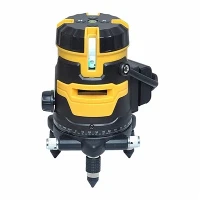

As a supplier of drainage laser levels, I often get asked about the types of batteries these devices use. Understanding the right battery for your drainage laser level is crucial for ensuring optimal performance and longevity. In this blog, I'll delve into the various battery types suitable for drainage laser levels, their advantages and disadvantages, and some tips on battery maintenance.
1. Alkaline Batteries
Alkaline batteries are one of the most common choices for drainage laser levels. They are widely available in most stores, making them convenient to replace. Alkaline batteries are known for their relatively long shelf - life, which means you can keep a stock of them without worrying about them losing their charge quickly.
One of the main advantages of alkaline batteries is their cost - effectiveness. They are generally less expensive than some other battery types, especially when bought in bulk. This makes them a popular option for users who want a reliable power source without breaking the bank.
However, alkaline batteries do have some limitations. They have a limited capacity, which means they may need to be replaced more frequently, especially if the laser level is used for long periods. Additionally, they are not rechargeable, so once they are depleted, they need to be disposed of properly. This can have an environmental impact over time.
2. Rechargeable Nickel - Metal Hydride (NiMH) Batteries
Rechargeable NiMH batteries are another option for drainage laser levels. These batteries offer several advantages over alkaline batteries. First and foremost, they are rechargeable, which means you can use them multiple times, reducing the long - term cost and environmental impact.
NiMH batteries have a higher energy density compared to alkaline batteries, which means they can provide more power for a longer period. This is particularly beneficial for users who need to use their drainage laser levels for extended periods without having to constantly replace the batteries.
On the downside, NiMH batteries have a self - discharge rate. This means that even when not in use, they will gradually lose their charge. So, if you don't use your laser level regularly, you may find that the batteries are partially depleted when you come to use them. Also, the initial cost of NiMH batteries and a charger can be higher than that of alkaline batteries.
3. Lithium - Ion Batteries
Lithium - ion batteries are becoming increasingly popular in the world of drainage laser levels. They offer several significant advantages. One of the most notable is their high energy density. Lithium - ion batteries can store a large amount of energy in a relatively small and lightweight package. This makes them ideal for portable drainage laser levels, as they don't add much weight to the device.


Lithium - ion batteries also have a low self - discharge rate. They can hold their charge for a long time when not in use, which is convenient for users who don't use their laser levels frequently. Additionally, they have a long lifespan, which means you won't need to replace them as often as other battery types.
However, lithium - ion batteries are more expensive than alkaline and NiMH batteries. They also require a specialized charger, which adds to the overall cost. Moreover, if not properly charged or used, lithium - ion batteries can be a safety hazard, as they can overheat or even explode in extreme cases.
4. Factors to Consider When Choosing Batteries
When choosing the right battery for your drainage laser level, there are several factors to consider.
- Usage Frequency: If you use your laser level frequently, a rechargeable battery like NiMH or lithium - ion may be a better option, as it will save you money in the long run. On the other hand, if you only use it occasionally, alkaline batteries may be sufficient.
- Runtime Requirements: If you need your laser level to run for long periods without interruption, a battery with a high energy density, such as lithium - ion, would be more suitable.
- Cost: Alkaline batteries are the most cost - effective upfront, but rechargeable batteries can save you money over time. Consider your budget and long - term usage when making a decision.
- Portability: If you need to carry your laser level around a lot, a lightweight battery like lithium - ion would be a good choice, as it won't add much weight to the device.
5. Battery Maintenance Tips
Regardless of the type of battery you choose, proper maintenance is essential to ensure optimal performance and longevity.
- Charge Rechargeable Batteries Correctly: Follow the manufacturer's instructions when charging rechargeable batteries. Overcharging or undercharging can reduce the battery's lifespan.
- Store Batteries Properly: If you're not using your laser level for an extended period, remove the batteries and store them in a cool, dry place. This can help prevent self - discharge and damage.
- Dispose of Batteries Responsibly: Alkaline batteries should be disposed of according to local regulations. Rechargeable batteries can often be recycled at designated recycling centers.
6. Our Product Range and Battery Compatibility
As a drainage laser level supplier, we offer a wide range of products, each compatible with different battery types. Our Indoor Laser Level is designed to be versatile and can use both alkaline and rechargeable batteries. This gives our customers the flexibility to choose the battery that best suits their needs.
Our Digital Display Green Laser Level is equipped with a high - performance lithium - ion battery, which provides long - lasting power and reliable performance. This is ideal for users who need to use the laser level for extended periods.
For those who are into tiling walls, our Laser for Tiling Walls is a great option. It can be powered by NiMH batteries, which offer a good balance between cost and performance.
7. Contact Us for Procurement
If you're interested in purchasing our drainage laser levels or have any questions about battery compatibility, we'd love to hear from you. We have a team of experts who can provide you with detailed information and help you choose the right product for your needs. Whether you're a professional contractor or a DIY enthusiast, we can offer you the best solutions for your drainage laser level requirements.
References
- Battery University. "Battery Basics".
- Various manufacturers' product manuals for drainage laser levels.