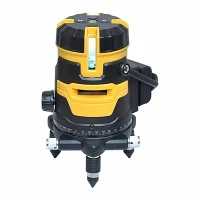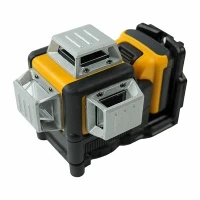

Hey there! As a supplier of bulk laser levels, I've been getting a lot of questions about the measurement accuracy of these tools in different terrains. So, I thought I'd write this blog to share some insights and help you understand how terrain can affect the performance of a laser level.
First off, let's talk about what a laser level is. A laser level is a tool that projects a straight, level line onto a surface using a laser beam. It's commonly used in construction, carpentry, and other trades to ensure that surfaces are level, plumb, or at a specific angle. There are different types of laser levels, including Multi-Line Laser Level, Multi Laser Level, and 360° Cross Line Laser Level. Each type has its own features and benefits, but they all work on the same basic principle.
Now, let's get into how terrain can affect the measurement accuracy of a laser level. The accuracy of a laser level depends on several factors, including the quality of the tool, the distance between the laser and the target, and the environmental conditions. In different terrains, these factors can vary significantly, which can impact the accuracy of the measurements.
Flat and Smooth Terrains
In flat and smooth terrains, such as a concrete floor or a well-paved road, the measurement accuracy of a laser level is generally quite high. The laser beam can travel in a straight line without being obstructed by uneven surfaces or obstacles. This means that you can get very accurate measurements over long distances. For example, if you're using a high-quality laser level to measure the levelness of a large concrete slab, you can expect to get measurements within a few millimeters of accuracy.
Uneven and Rough Terrains
On the other hand, in uneven and rough terrains, such as a rocky hillside or a construction site with debris, the measurement accuracy of a laser level can be significantly reduced. The uneven surface can cause the laser beam to scatter or bounce, which can make it difficult to get a clear and accurate measurement. Additionally, obstacles such as rocks, trees, or buildings can block the laser beam, preventing it from reaching the target. In these situations, you may need to use a more powerful laser level or take additional steps to ensure that the laser beam is not obstructed.
Outdoor Terrains with Wind and Weather Conditions
Outdoor terrains are also affected by wind and weather conditions, which can have a significant impact on the measurement accuracy of a laser level. Wind can cause the laser beam to sway or move, making it difficult to get a stable measurement. Rain, snow, or fog can also scatter the laser beam, reducing its visibility and accuracy. In these situations, it's important to use a laser level that is designed to withstand harsh weather conditions and has a high level of stability.


Indoor Terrains with Reflective Surfaces
Indoor terrains can also present challenges when it comes to measurement accuracy. Reflective surfaces, such as mirrors or glass, can cause the laser beam to bounce and create multiple reflections, making it difficult to determine the true position of the target. In these situations, you may need to use a laser level that has a high level of visibility and can cut through the reflections.
So, how can you ensure that you get accurate measurements with a laser level in different terrains? Here are some tips:
- Choose the Right Laser Level: Make sure you choose a laser level that is suitable for the terrain and the type of measurement you need to make. For example, if you're working in a large outdoor area, you may need a more powerful laser level with a longer range.
- Set Up the Laser Level Properly: Make sure the laser level is set up on a stable surface and is leveled correctly. This will ensure that the laser beam is projected in a straight line and that the measurements are accurate.
- Use a Target: Using a target can help you get more accurate measurements, especially in situations where the laser beam is difficult to see. A target can also help you align the laser beam with the target and ensure that the measurements are consistent.
- Take Multiple Measurements: Taking multiple measurements can help you confirm the accuracy of the measurements and ensure that there are no errors. Make sure you take measurements from different angles and distances to get a more comprehensive view of the terrain.
- Consider the Environmental Conditions: When working in outdoor terrains, make sure you consider the environmental conditions, such as wind, rain, or fog. If the conditions are too harsh, you may need to wait until the weather improves or use a laser level that is designed to withstand harsh weather conditions.
In conclusion, the measurement accuracy of a bulk laser level can vary depending on the terrain and the environmental conditions. By choosing the right laser level, setting it up properly, using a target, taking multiple measurements, and considering the environmental conditions, you can ensure that you get accurate measurements in different terrains.
If you're in the market for a bulk laser level, I'd love to help you find the right tool for your needs. Whether you're a contractor, a carpenter, or a DIY enthusiast, I have a wide range of laser levels to choose from, including Multi-Line Laser Level, Multi Laser Level, and 360° Cross Line Laser Level. Contact me today to discuss your requirements and get a quote. I'm here to help you make the right choice and ensure that you get the most accurate measurements possible.
References:
- Manufacturer's specifications and user manuals for laser levels.
- Industry standards and guidelines for laser level accuracy.
- Personal experience and observations from working with laser levels in different terrains.