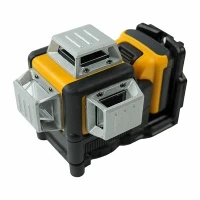

What is the working temperature range of an indoor laser level?
As a supplier of indoor laser levels, I often receive inquiries from customers about the working temperature range of these essential tools. Understanding the temperature limits is crucial for ensuring the optimal performance and longevity of indoor laser levels. In this blog post, I'll delve into the factors that influence the working temperature range and provide some practical insights for users.
The Importance of Temperature in Laser Level Performance
Indoor laser levels are precision instruments that rely on laser technology to project accurate horizontal and vertical lines. Temperature can significantly affect the performance of these devices in several ways. Extreme temperatures can cause the internal components of the laser level to expand or contract, leading to misalignment and inaccurate measurements. Additionally, temperature variations can impact the stability of the laser beam, resulting in reduced visibility and precision.
Typical Working Temperature Ranges
The working temperature range of an indoor laser level can vary depending on the model and manufacturer. However, most indoor laser levels are designed to operate within a temperature range of -10°C to 50°C (14°F to 122°F). This range ensures that the device can function effectively in a variety of indoor environments, from cold basements to warm offices.
It's important to note that some high-end laser levels may have a wider temperature range, allowing them to operate in more extreme conditions. For example, certain models are designed to withstand temperatures as low as -20°C (-4°F) or as high as 60°C (140°F). These specialized laser levels are often used in industrial settings or outdoor applications where temperature fluctuations are more significant.
Factors Affecting the Working Temperature Range
Several factors can influence the working temperature range of an indoor laser level. One of the most important factors is the quality of the internal components. Laser levels with high-quality components are generally more resistant to temperature changes and can operate over a wider temperature range. Additionally, the design of the laser level can also play a role in its temperature performance. For example, laser levels with a well-insulated housing are better able to protect the internal components from temperature fluctuations.
Another factor that can affect the working temperature range is the type of laser used in the device. Different types of lasers have different temperature requirements, and some lasers are more sensitive to temperature changes than others. For example, diode lasers are generally more sensitive to temperature than helium-neon lasers.
Tips for Using Indoor Laser Levels in Different Temperatures
To ensure the optimal performance of your indoor laser level, it's important to follow some basic guidelines when using the device in different temperatures. Here are some tips to keep in mind:
- Allow the device to acclimate: When moving the laser level from a cold environment to a warm environment, or vice versa, it's important to allow the device to acclimate to the new temperature before using it. This can help prevent damage to the internal components and ensure accurate measurements.
- Avoid extreme temperatures: While most indoor laser levels are designed to operate within a specific temperature range, it's best to avoid using the device in extreme temperatures whenever possible. Extreme temperatures can cause the internal components to expand or contract, leading to misalignment and inaccurate measurements.
- Use a protective case: If you need to use the laser level in extreme temperatures, consider using a protective case to help insulate the device and protect it from temperature fluctuations.
- Follow the manufacturer's instructions: Always follow the manufacturer's instructions when using the laser level. This includes information on the working temperature range, as well as any other specific guidelines for using the device.
Our Indoor Laser Level Products
As a leading supplier of indoor laser levels, we offer a wide range of products to meet the needs of our customers. Our products include Dual Plane Laser Level, Long Distance Laser Level, and Laser Level with Measurements.
Our dual plane laser levels are designed to project both horizontal and vertical lines simultaneously, making them ideal for a variety of applications, including installation, alignment, and leveling. Our long distance laser levels are capable of projecting laser beams over long distances, making them suitable for large-scale construction projects. And our laser levels with measurements feature built-in measurement functions, allowing users to take accurate measurements directly from the device.
All of our indoor laser levels are designed to operate within a wide temperature range, ensuring reliable performance in a variety of indoor environments. We use high-quality components and advanced manufacturing techniques to ensure the durability and precision of our products.
Conclusion
In conclusion, the working temperature range of an indoor laser level is an important factor to consider when choosing a device. By understanding the temperature limits and following some basic guidelines, you can ensure the optimal performance and longevity of your laser level. If you have any questions or need further information about our indoor laser level products, please don't hesitate to contact us. We're here to help you find the right solution for your needs.


References
- Manufacturer's product manuals and specifications
- Industry standards and guidelines for laser levels